CFTC Sues Louisiana to Block Prediction Market Shutdown as State Fight Escalates
Louisiana is the 12th state the federal regulator has sued after a judge ordered broad restrictions on event contracts. The case follows the CFTC’s intervention in Arkansas and comes as Senate Democrats demand the agency reverse its nationwide-access policy.
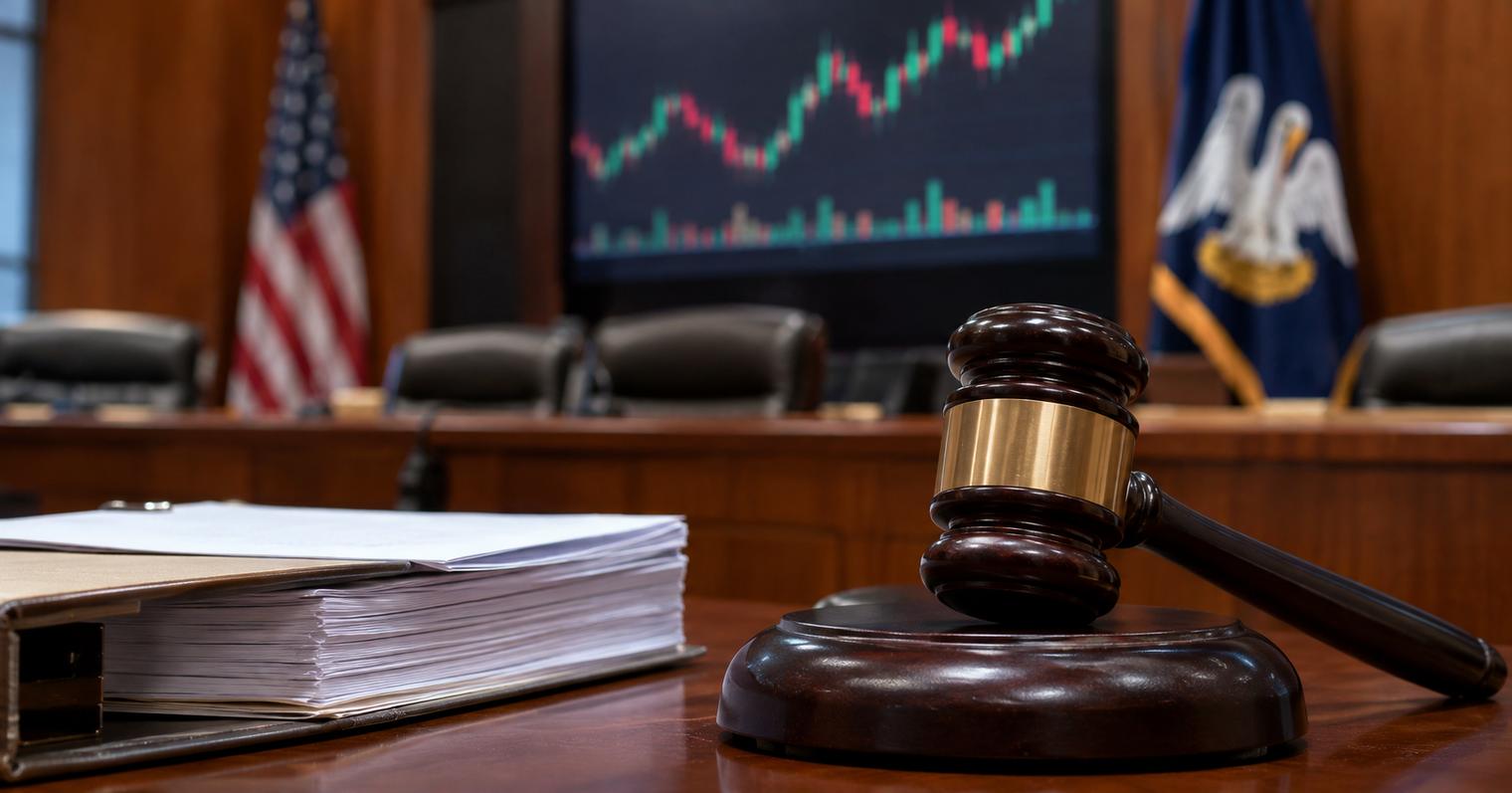
The Commodity Futures Trading Commission (CFTC) sued Louisiana to block enforcement of a sweeping prediction markets restraining order, escalating a dispute that now spans state enforcement cases, competing federal lawsuits and congressional scrutiny.
The federal government filed its complaint and requested a temporary restraining order and preliminary injunction on Nov. 13 in the Eastern District of Louisiana. It argues that federal commodities law preempts Louisiana’s attempt to prohibit event contracts offered through CFTC-regulated exchanges, brokers and clearing organizations.
The filing came a day after Louisiana Attorney General Liz Murrill obtained an order requiring Kalshi, Polymarket and other prediction markets to stop covered event-contract activity for people in Louisiana and geofence access. Louisiana is the 12th state the CFTC has sued to defend its claimed exclusive jurisdiction over derivatives markets.
“Event contracts have traded openly in Louisiana for years, in compliance with the Commodity Exchange Act and CFTC regulations,” CFTC Chairman Michael Selig said. He called the state’s emergency lawsuit “naked lawfare and a cynical political stunt.
“The Commission’s lawsuit seeks to maintain the status quo while the federal courts decide this issue in an orderly manner.”
Louisiana’s order reaches beyond sports and exchanges
As DeFi Rate reported on Louisiana’s temporary restraining order, Judge Jeffrey Johnson of the 21st Judicial District Court in Tangipahoa Parish granted the state’s request Nov. 12 without first hearing the defendants’ arguments.
The order covers specified event contracts involving sports, elections and awards. Its restrictions reach beyond accepting new trades to listing, clearing, settling, brokering, making markets in and otherwise facilitating covered contracts without Louisiana gaming authorization. It also requires geofencing.
The CFTC said the order affects more than 30 companies connected to federally regulated derivatives trading.
The CFTC is seeking protection not just for designated contract markets, the exchanges on which contracts trade, but also for futures commission merchants and derivatives clearing organizations involved in distributing and processing those transactions.
Louisiana’s position is that the products require state gambling authorization. The federal government’s position is that the transactions fall within the CFTC’s jurisdiction under the Commodity Exchange Act and cannot be prohibited through state gambling law. Those remain opposing legal arguments, not a final ruling resolving the dispute.
Arkansas supplied the immediate precedent for federal intervention
The Louisiana filing followed another federal intervention against a state attorney general.
As DeFi Rate reported on the CFTC’s Arkansas lawsuit, the United States and CFTC filed Nov. 12 to stop Attorney General Tim Griffin’s enforcement case against Kalshi and prevent similar action against other federally regulated market participants.
Griffin had sued Kalshi Nov. 4, alleging illegal gambling and deceptive business practices. Arkansas is seeking an injunction, restitution, damages, unpaid taxes and civil penalties. The federal government argues that applying penalties on a per-violation basis could create exposure reaching hundreds of millions of dollars.
The two states have created different immediate problems for the industry.
In Arkansas, the federal government is challenging an enforcement lawsuit carrying potentially substantial financial exposure. In Louisiana, it is also confronting an already-issued order restricting covered trading activity across exchanges and related businesses.
Both federal actions seek more than a defense of one company. They ask courts to prevent state enforcement against transactions the CFTC says belong within a uniform federal market framework.
Senate Democrats are challenging the same national-access push
The litigation is expanding just as Senate Democrats are asking the CFTC to retreat from a related policy.
As DeFi Rate reported Monday on the senators’ letter to Selig, nine Democrats demanded that the agency withdraw or freeze its Nov. 5 geographic-access interpretation. They also requested that communications with platforms and other relevant records be preserved ahead of Democrats’ takeover of Congress.
The CFTC interpretation gives exchanges 30 days to remove domestic geographic restrictions that violate impartial-access requirements or explain why compliance is not feasible. It also addresses restrictions imposed through intermediaries accessing those markets.
Louisiana’s order pushes in the opposite direction by expressly requiring geographic restrictions.
The senators argue that the CFTC’s policy conflicts with court orders and undermines state and tribal gaming laws. Their letter requests a response by Nov. 23 and asks the agency to preserve records dating to January 1, 2025, including relevant communications on personal accounts and encrypted or disappearing-message applications.
 Senate Democrats Demand CFTC Reverse Prediction Market Geofencing Policy
 Polymarket Promo Code RATE: Get $25 for Chargers vs. Ravens MNF
 Kalshi Promo Code RATE: $55 Bonus for Steelers vs. Bengals Props
 Kalshi Promo Code RATE: $55 Bonus for 49ers vs. Cowboys