Kalshi Avoids Immediate New York Restraining Order as Judge Weighs Scope
New York did not secure an immediate shutdown order at Monday’s hearing. Justice Melissa Crane questioned the breadth of the requested relief and the need to act before full briefing.
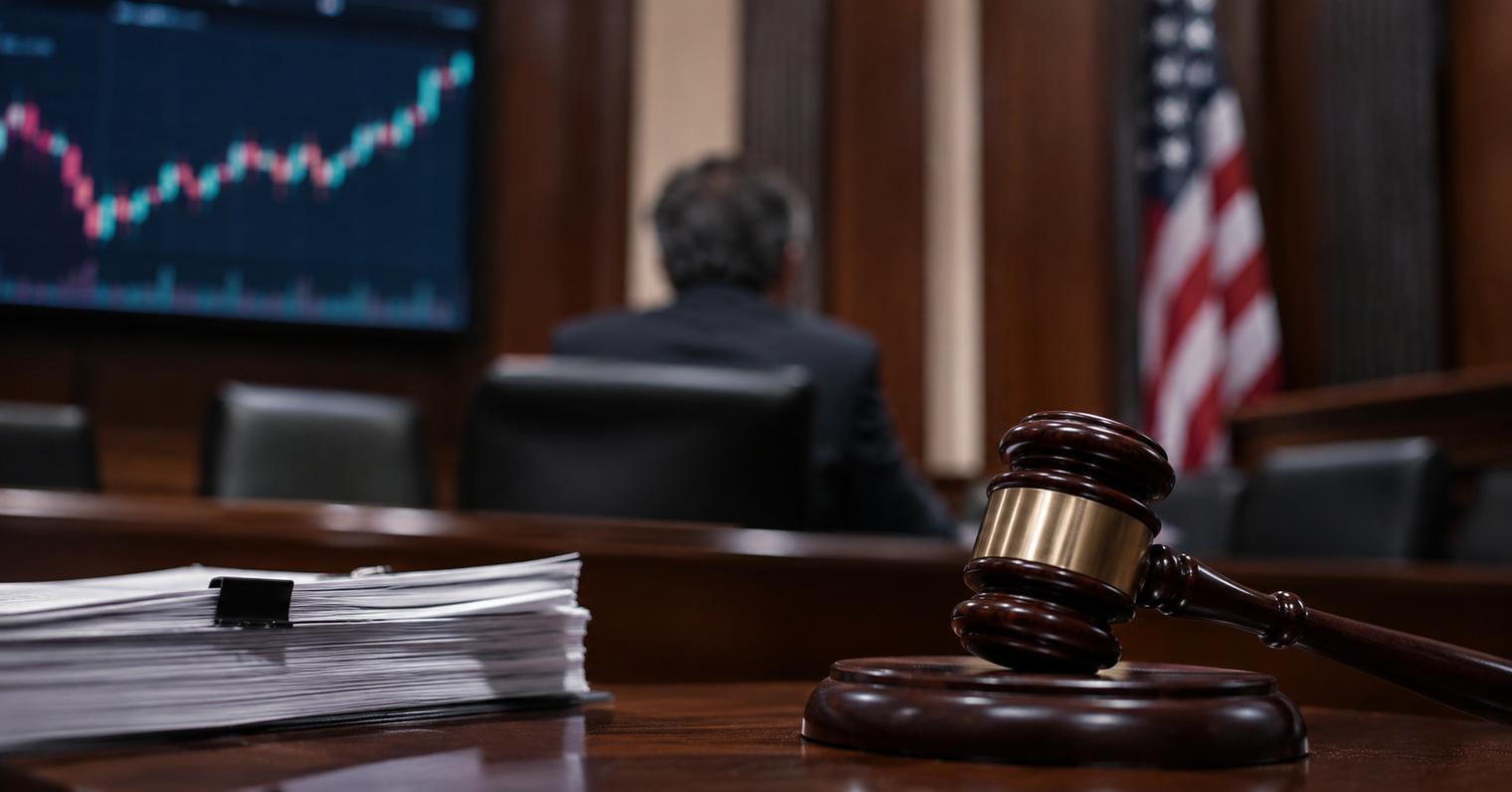
New York did not obtain an immediate temporary restraining order against Kalshi at Monday’s court hearing, leaving Attorney General Letitia James’ effort to restrict the exchange unresolved and without a ruling that its event contracts are lawful.
Justice Melissa Crane raised concerns about granting the state’s full requested relief and questioned whether its willingness to accept expedited briefing undercut the need for an immediate TRO. She also raised the developing federal appellate split over sports prediction markets.
No immediate order is not the same as a final rejection of New York’s enforcement case. The immediate shutdown threat had dominated the lead-up to the hearing. Kalshi argued that the proposed order could close its New York-based exchange nationwide. The attorney general’s office disputed that characterization, saying it sought to stop unlawful gambling, not lawful futures or swaps.
Crane questions the need for immediate relief
Monday’s hearing followed a rapid return to state court after nearly four months in federal proceedings.
According to attorney Daniel Wallach’s live reporting thread, Crane questioned whether the attorney general’s willingness to proceed through expedited briefing undermined its request for immediate restrictions without full briefing. State counsel responded that Kalshi was represented and participating in the hearing, addressing concerns about an opportunity to be heard.
7/ Justice Crane questions why the NY AG waited so long to act against Kalshi’s sports contracts if the alleged violations were so serious.
AG counsel Brent Tomer responds by highlighting the procedural delays stemming from litigation in the SDNY and Second Circuit.— Daniel Wallach (@WALLACHLEGAL) November 23, 2026
Those points address different questions. Giving Kalshi a chance to argue addresses procedural fairness. Whether an order must issue immediately concerns the urgency of the requested intervention.
Wallach separately reported that Crane expressed concern about granting the full scope of New York’s proposed relief and noted the conflicting federal appellate decisions. Those observations should not be treated as a ruling adopting Kalshi’s federal-preemption defense.
“Within or from New York” drives the national-shutdown dispute
The proposed order reaches beyond sports contracts sold to customers physically located in New York.
It would restrict covered activity “within or from New York or to persons in New York” and expressly addresses contracts involving sports, culture, elections and other events.
Kalshi’s lawyers focused on “from New York.” Because the exchange is headquartered in the state, attorney Sean Murphy argued that the language “would shut down a federally regulated exchange for every customer, everywhere” and “would likely force the liquidation of all open positions.”
The attorney general rejected that reading.
“The injunction would not prevent Kalshi from offering commodity futures or swap contracts that do not run afoul of federal or state law,” the office wrote in its response.
The proposed relief also addresses under-21 wagering and advertising, including marketing through college campuses and university-owned media.
Two federal setbacks brought Kalshi back before Crane
The hearing followed separate federal decisions that cleared a path for New York to pursue its application.
On Nov. 19, U.S. District Judge Vernon Broderick remanded the attorney general’s enforcement lawsuit to state court for lack of federal subject matter jurisdiction. He did not decide the underlying enforcement claims or grant the state an injunction.
The next day, the Commodity Futures Trading Commission (CFTC) renewed its own emergency request to block New York’s enforcement. U.S. District Judge Lorna Schofield denied that request.
These were opposite requests in separate cases:
- New York sought an order restricting Kalshi.
- The CFTC sought an order restricting New York’s enforcement against Kalshi.
The CFTC’s failure to obtain protection did not automatically entitle New York to its own TRO. Monday’s proceeding required Crane to consider the state’s application independently.
New York renewed that application Nov. 20. Its original request was denied as moot after Kalshi removed the case to federal court, without prejudice to renewal if the case returned.
The broader enforcement case remains alive
James filed the enforcement action July 31, alleging that Kalshi operated an illegal gambling business. The state seeks injunctive relief and financial remedies, including restitution, disgorgement and penalties.
Even without immediate temporary relief, New York can continue pursuing a preliminary injunction and its underlying claims.
The proceeding also sits within the wider federal-state conflict tracked in DeFi Rate’s prediction-market litigation tracker. The Third Circuit Court of Appeals has sided with Kalshi in New Jersey, while the Ninth and Sixth Circuits ruled against its requests for protection in other states. The Fourth Circuit affirmed the denial of preliminary protection in Maryland last week.
 Polymarket Promo Code RATE: Score a $25 Bonus for Bengals vs. Commanders Props
 Kalshi Promo Code RATE55: Land a $55 Bonus for 49ers vs. Vikings
 Polymarket Promo Code RATE: Get a $25 Bonus for Raiders vs. Broncos
 Kalshi Promo Code RATE55: $55 Bonus for Bucs vs. Lions Props