NYC Probe Finds $52.5M in Kalshi Retail Losses, Flags Youth Marketing
Traders ages 18 to 20 accounted for 10.5% of Kalshi’s New York City accounts but 17% of individual users’ net losses. The City Council is asking five platforms to testify Dec. 14 as it considers marketing restrictions.
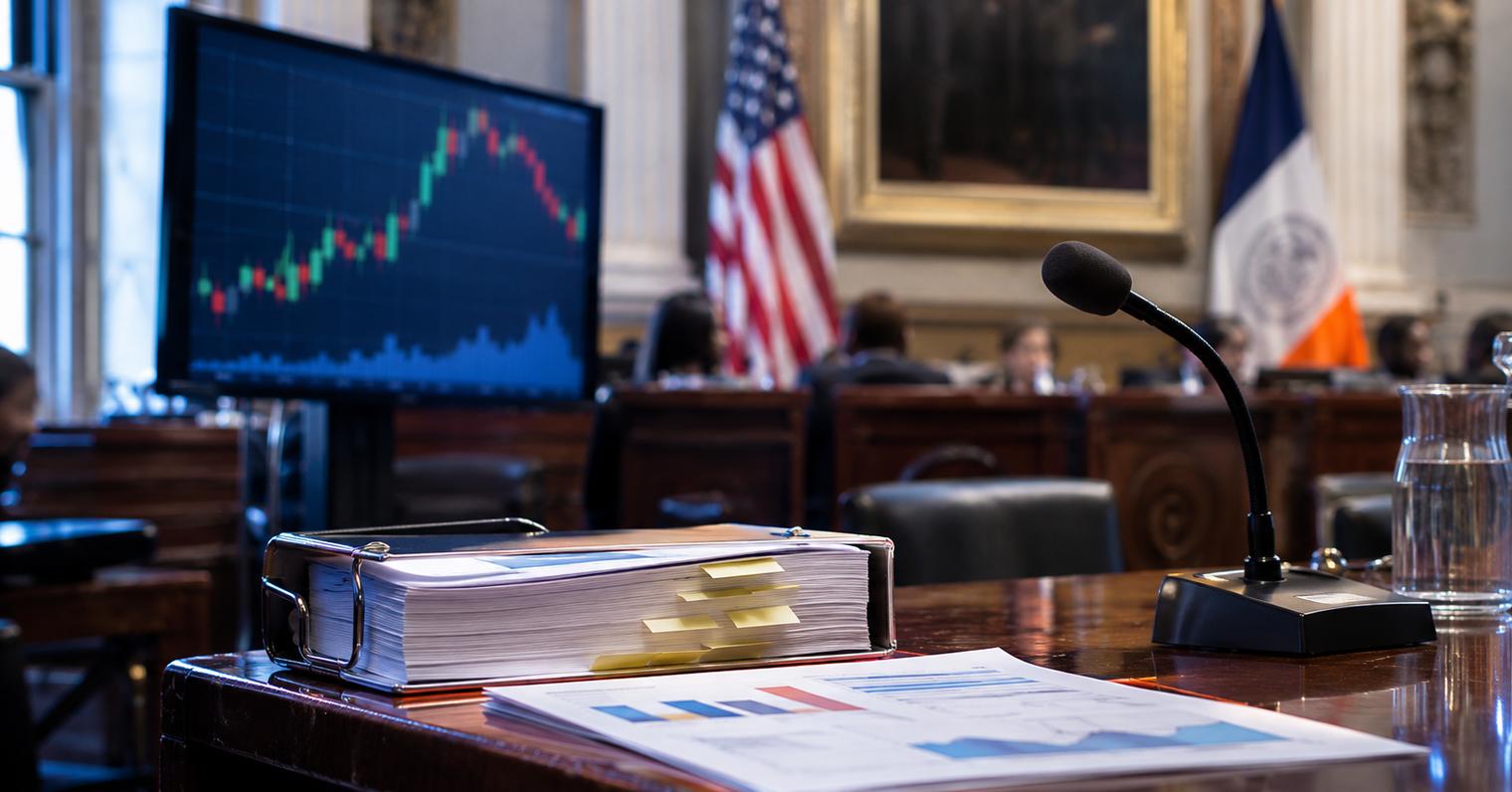
New York City Council investigators found that individual Kalshi users in the city lost approximately $52.5 million in aggregate during the first 10 months of 2026, with the youngest adult account holders bearing a disproportionate share of those losses.
Institutional accounts, meanwhile, recorded more than $340 million in aggregate gains, according to data Kalshi provided to the Council.
The preliminary findings, released Tuesday, also detail a Polymarket promotional program that used a mock trading website displaying fictitious profits and account activity in videos designed to appear organic. The Council says Polymarket representatives acknowledged problems with the program and inconsistent compliance with its guidelines.
Speaker Julie Menin has asked executives from Kalshi, Polymarket, Coinbase, Gemini Titan and Novig to testify at a Dec. 14 oversight hearing. Three committees will examine the findings and legislation the Council describes as “first-in-the-nation” regulation of prediction market marketing practices.
“We are done taking chances with prediction market platforms,” Menin said. “Our investigation found that these companies are targeting young people with deceptive, predatory marketing practices - and tragically, these tactics are working.”
Youngest Kalshi users account for a larger share of losses
Kalshi had approximately 484,000 individual accounts associated with New York City addresses as of Nov. 1, according to the Council. About 51,000 belonged to users ages 18 to 20, and another 78,600 belonged to users ages 21 to 24. Together, those groups represented nearly 27% of the city’s individual accounts.
The Council focused on the younger group’s trading outcomes:
| Measure | Users ages 18-20 |
|---|---|
| New York City accounts | Approximately 51,000 |
| Share of individual NYC accounts | 10.5% |
| Aggregate net trading losses, Jan. 1-Nov. 1 | Approximately $8.9 million |
| Share of individual NYC users’ aggregate net losses | Approximately 17% |
| Share of daily contract trading volume cited by the Council | Approximately 4% |
The loss figures cover Jan. 1 through Nov. 1, 2026, while the daily volume averages cover November 2025 through Nov. 1, 2026. The Council says users ages 18 to 20 averaged approximately 1.3 million contracts a day over that longer period, compared with roughly 30 million among users 21 and older.
Users ages 18 to 20 represented roughly one-tenth of accounts but about one-sixth of individual users’ net losses.
Institutional gains are not a direct accounting of retail losses
The Council divided Kalshi’s results into two reporting periods:
- From Jan. 1 through Aug. 11, individual New York City users lost approximately $17.6 million in aggregate, while institutional users gained more than $210 million.
- From Aug. 12 through Nov. 1, individuals lost approximately $34.9 million, while institutions gained $130.7 million.
That produces approximately $52.5 million in individual net losses and more than $340 million in institutional net gains across the reported periods.
Polymarket program used fictitious profits to create ‘buzz’
The most detailed marketing example concerns Polymarket’s user-generated content program, which ran from January through June 2026.
According to the Council, company representatives said the program sought to create “buzz” among a younger audience through short-form videos designed to look organic. A 19-year-old managed it with four interns. Participants received between $20 and a few hundred dollars based on views, plus $50 for referrals to the program.
The videos included a mock trading website displaying fictitious profits and account activity. Representatives acknowledged that program guidelines were not consistently followed and could not identify who created the mock site, the Council said.
The Council did not publish equivalent New York City trading results for Polymarket, Coinbase, Gemini Titan or Novig in the preliminary findings.
The August launch of the investigation had already identified concerns about undisclosed influencer advertising, simulated trades and misleading portrayals of profitable wagers.
Council scrutinizes bonuses, sports sponsorships and social framing
Investigators also reviewed a sample of prediction market advertisements and identified techniques associated with gambling promotion:
- Sign-up, deposit and first-trade bonuses.
- Advertising tied to sports viewing, fandom and socializing.
- League, team, broadcaster and media partnerships.
- Celebrity-linked promotions.
The Council says research associates these techniques with increased participation and the normalization of gambling.
Deputy Speaker Nantasha Williams framed the inquiry around whether safeguards have kept pace with the industry.
“When young adults account for a disproportionate share of financial losses, and marketing practices are designed to encourage greater participation and normalize gambling, we have to examine whether existing consumer protections are keeping pace with this rapidly evolving industry,” Williams said.
The planned hearing will bring together the committees on Consumer and Worker Protection, Oversight and Investigations, and Mental Health and Substance Use. That structure places advertising practices, financial outcomes and potential compulsive behavior in the same oversight proceeding.
Platforms have introduced safeguards, but the study cannot yet measure their effect
The Council’s announcement acknowledges recent changes by both major platforms.
Polymarket announced voluntary self-exclusion, deposit limits and access to mental-health services in late September.
Kalshi introduced default $2,500 monthly deposit limits for users ages 18 to 20 and new trade alerts in late October.
Those measures arrived near the end of the period covered by the loss data.
City inquiry adds a different pressure point to the federal-state fight
The city’s investigation is separate from New York Attorney General Letitia James’ enforcement litigation and the Commodity Futures Trading Commission’s (CFTC) defense of federal jurisdiction.
The Council is examining marketing practices and potential consumer-protection legislation.
The inquiry does overlap with concerns raised in Washington. As DeFi Rate reported on the Senate Democrats’ letter to the CFTC this month, lawmakers are questioning the agency’s approach to nationwide access and requesting records behind its policies.
That leaves platforms facing scrutiny of two distinct questions: Who has authority over their contracts, and how they attract and protect customers.
The next scheduled step is the Dec. 14 hearing and a more robust report is also expected in December.
 Kalshi Blocks Utah Trading as State Moves to Drop Charges Against Founders
 Tribal Coalition Wins Preliminary Injunction Barring Kalshi Sports Event Contracts
 Kalshi Avoids Immediate New York Restraining Order as Judge Weighs Scope
 Polymarket Promo Code RATE: Score a $25 Bonus for Bengals vs. Commanders Props