Kalshi Blocks Utah Trading as State Moves to Drop Charges Against Founders
Utah is seeking dismissal without prejudice after Kalshi stopped accepting new trades in the state. Customers can still close positions and withdraw funds, while separate civil and federal cases continue.
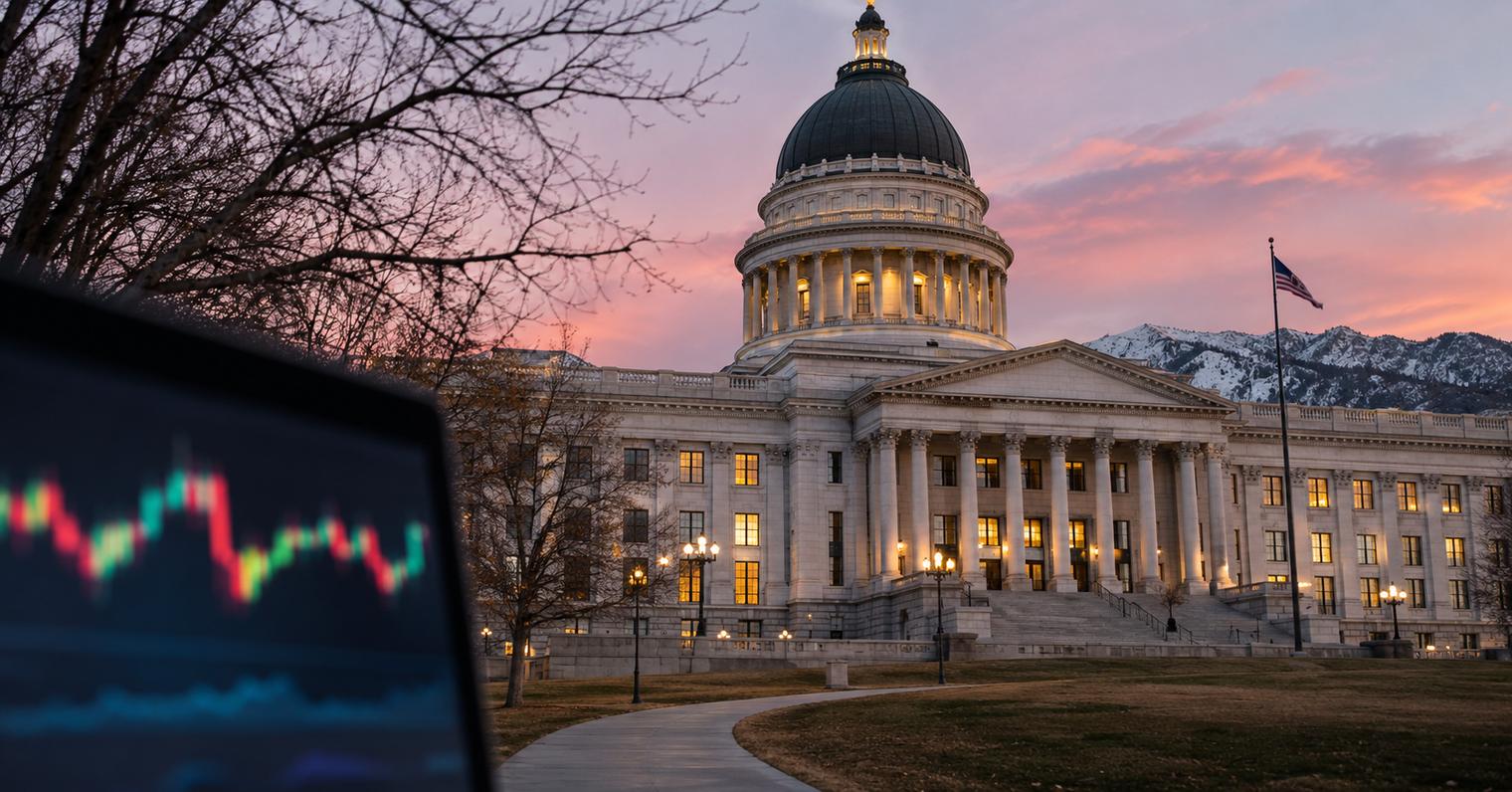
Kalshi has stopped accepting new trades in Utah, prompting state prosecutors to move to dismiss criminal charges against the company and co-founders Tarek Mansour and Luana Lopes Lara.
The retreat removes the immediate basis for the prosecution, but Utah is explicitly threatening to bring the charges back if the exchange returns.
Attorney General Derek Brown announced the dismissal request Tuesday, a day after Kalshi confirmed it was pausing operations. His office is seeking dismissal without prejudice, meaning the charges could be refiled.
“Utah does not allow gambling, and prediction markets are gambling. Kalshi has pulled out of Utah, and if it returns, so will the charges,” Brown said. “Every company in this space should take note. If they promote, support, or enable gambling, we will hold them accountable.”
Kalshi says it intends to keep fighting in court. The company attributes its decision to an adverse federal judgment and the absence of immediate protection in the Commodity Futures Trading Commission’s separate challenge to Utah’s enforcement authority.
Utah customers can exit positions, but not open new ones
Kalshi’s withdrawal does not mean Utah customers have lost access to their money.
Spokesperson Jacki McGavick told The Salt Lake Tribune that customers in the state can no longer open new contracts but can close existing positions and withdraw funds. Users attempting to access the platform see a message that “some markets are unavailable in Utah.”
“This is an unfortunate outcome for the more than 177,000 Utahns who use Kalshi,” McGavick told the publication. “We will continue to fight this in court, and we look forward to returning to Utah once our legal position is vindicated.”
Brown’s office said Kalshi committed to geofencing Utah and monitoring for Utah-based IP addresses attempting to access its platform. Prosecutors then reevaluated whether to continue the criminal case.
The withdrawal was not part of an agreement with the attorney general’s office, according to Front Office Sports.
The criminal charges carried personal stakes for the founders
Utah filed the criminal charges Oct. 28 after opening an investigation in September. The defendants included Kalshi and its co-founders, chief executive Mansour and chief operating officer Lopes Lara.
The 14-count charging package included:
- Twelve felony counts of online gambling promotion.
- One felony count alleging a pattern of unlawful activity.
- One misdemeanor count of general gambling promotion.
The criminal proceedings created personal exposure for the founders beyond the injunctions and financial penalties at issue in civil litigation.
Mansour and Lopes Lara were scheduled for arraignment on Dec. 4. The Associated Press reported that their appearances remained required unless a judge agreed to dismiss the case.
The state’s Nov. 24 announcement said it filed its dismissal motion Monday.
Federal litigation did not deliver immediate protection
Kalshi’s exit follows a series of unsuccessful efforts to prevent Utah from enforcing its gambling laws.
The exchange sued Utah officials in February, arguing that the Commodity Exchange Act preempts state regulation of its federally registered market. In August, U.S. District Judge Robert Shelby granted summary judgment to Utah. The Tenth Circuit Court of Appeals denied Kalshi’s request to block enforcement pending appeal Sept. 8.
That August decision was more than a denial of preliminary relief. It was a judgment in Kalshi’s own federal challenge, although it remains subject to appellate review.
The United States and CFTC subsequently brought a separate lawsuit seeking to stop Utah’s enforcement against federally regulated prediction markets. Shelby heard arguments Nov. 20 on their request for a temporary restraining order.
Shelby did not announce a decision timetable at the hearing. Reporting described him as skeptical, warning that the federal government faced a “steep hill to climb.”
Kalshi paused trading while that request produced no order protecting its operations.
The civil case is not going away
Utah’s dismissal request concerns the criminal prosecution. It does not dispose of the state’s separate civil lawsuit or the federal disputes over jurisdiction.
Brown announced the civil action Oct. 20, alleging that Kalshi offered unlawful wagering on sports, elections, politics and other outcomes. The state is pursuing financial relief and restrictions on the company’s conduct.
Front Office Sports reported Tuesday that Utah is continuing the civil case. Unlike the criminal prosecution, that action does not expose the founders to prison sentences, but it can carry financial consequences for the business.
The distinction leaves Kalshi with a narrower reprieve than a complete resolution:
- Utah is seeking to end the current criminal prosecution.
- The dismissal would permit charges to be refiled.
- The civil enforcement case continues.
- Kalshi’s appeal and the CFTC’s separate federal challenge remain distinct proceedings.
Utah says seven companies have agreed to stop operating
Brown is presenting Kalshi’s withdrawal as part of a broader enforcement campaign, not an isolated accommodation.
His office said it sent cease-and-desist letters to several competing platforms and that seven companies, including Kalshi, have agreed to stop operating in Utah. The announcement did not identify all seven or establish that their restrictions are identical.
The office also said it would monitor compliance and could bring civil or criminal cases against other businesses it believes are offering or promoting unlawful gambling to Utah residents.
As DeFi Rate’s prediction-market litigation tracker documents, courts remain divided over federal preemption. The Third Circuit ruled for Kalshi in New Jersey, while other appellate courts have rejected requests for protection against state enforcement through differing legal analyses. No U.S. Supreme Court petition tracked there has been granted.
 Tribal Coalition Wins Preliminary Injunction Barring Kalshi Sports Event Contracts
 Kalshi Avoids Immediate New York Restraining Order as Judge Weighs Scope
 Polymarket Promo Code RATE: Score a $25 Bonus for Bengals vs. Commanders Props
 Kalshi Promo Code RATE55: Land a $55 Bonus for 49ers vs. Vikings