






A veteran lawyer navigating the gambling regulation space said prediction markets are in the “tail end of the Wild West stage.”
Troutman Pepper Locke partner Stephen Piepgrass told DeFi Rate in a recent interview that regulation is beginning to catch up to the rapidly expanding and evolving prediction markets industry. That comes despite the “resource-starved” Commodity Futures Trading Commission regulating the industry.
“I’ve been shocked with how much they’ve been able to accomplish in a short amount of time,” said Piepgrass, who leads the law firm’s Regulatory Investigations, Strategy + Enforcement practice group.
Prediction markets Wild West
Piepgrass got introduced to prediction markets through his long-time work in the gambling sector. Like many others, he is amazed at the industry’s explosive growth.
“We’re still in the tail end of the Wild West stage. The regulation is just beginning to catch up,” he said. “The wrench in the works is the battle over jurisdiction between states and the federal government.”
Prediction market platforms and the CFTC are involved in dozens of lawsuits across the country. The suits are over regulatory jurisdiction over prediction markets, especially those involving sports. Piepgrass said the CFTC is “walking and chewing gum” at the same time as they file lawsuits against states challenging platforms over jurisdiction while also embarking on their own rule-making process for the industry.
“It’s a very nimble commission,” he said.
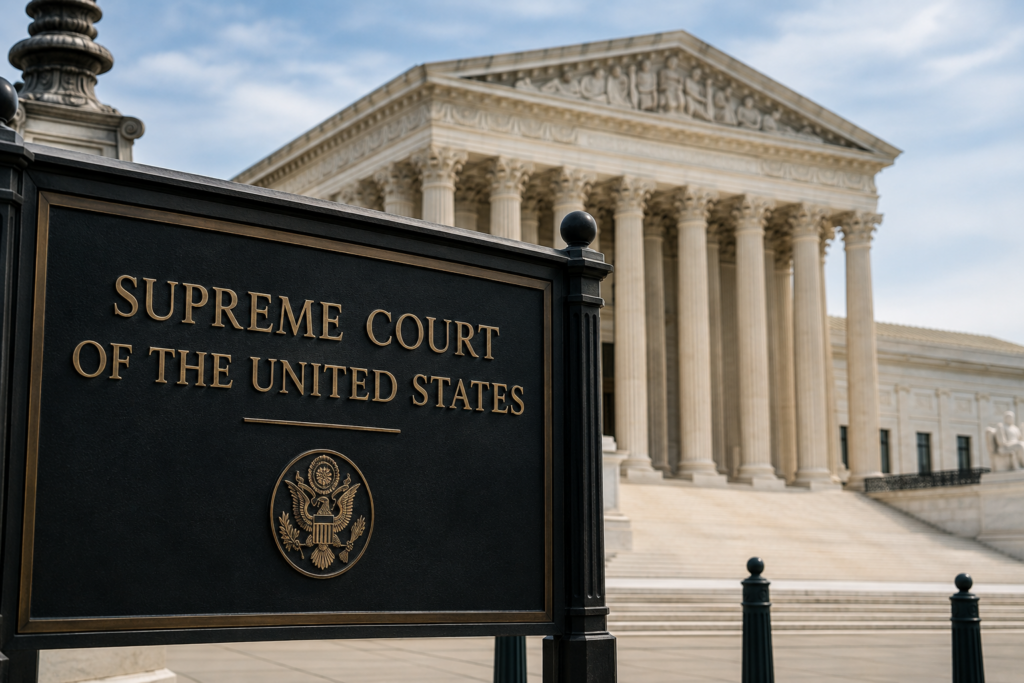
Prediction markets destined for Supreme Court
Piepgrass noted the cases playing out in multiple federal circuit courts. Regardless of how those rulings shake out, he believes the issue will head to the Supreme Court.
“There are too many issues around it, and it’s such a huge economic driver that has captured public interest…It’s a perfect storm of factors to go to the Supreme Court,” he said.
He said both the states and the CFTC are trying to stake more ground for arguments in court. That includes the CFTC partnering with other federal departments, platforms, and even professional sports leagues to better set up achievable and realistic rules.
“The more the CFTC can do, the better it positions itself,” he said.
Tightening loopholes, problem areas
Key to the rule-making process will be ensuring the public views prediction markets as legitimate platforms with strong integrity. Piepgrass said that includes making sure there are no grey areas and better parameters on what kind of trades are allowed.
That could include a specific ban on trades that resemble prop bets where individuals have the capability to significantly influence an event.
“The more those seemingly loopholes or areas that draw attention can be closed, the more legitimacy they take on,” he said.
He also noted matters of national defense are important to shore up. He highlighted the Department of Justice charging the soldier who allegedly traded on the capture of Venezuelan President Nicolas Maduro.
Election markets key selling point
Piepgrass noted that one selling point of prediction markets is that they can be extremely accurate in forecasts. He noted a Vanderbilt University study that found them to be more accurate than other measures.
“That’s one of the fundamental draws of a prediction market, to be able to predict better matters of public significance, and it’s hard to find something more significant to the public than elections,” he said. “The election piece is really interesting, because they seem to be very accurate predictors, or at least more so than other means.”
He noted regulators will further define parameters around election markets. It helps that platforms like Kalshi are self-policing and catching politicians trading on their own campaigns. Further clarifications will need to be made, however, like what levels of campaign staff are prohibited from trading on a particular election.
Prediction markets news not likely to slow down
Even mainstream headlines continue to be ripe with narratives about prediction markets regulation. And Piepgrass does not believe a slowdown will be coming anytime soon, especially as companies work through how to address the new concerns internally.
“There are so many issues on the horizon,” said Piepgrass. “If you’re a company, what do you do with this? How do you tighten your insider trading policy, and to what extent should you?” He added:
“We’re barely scratching the surface. We’re not that far into it, and there are all these areas popping up. So, how on Earth do you go about regulating it? It’s a very complex question, even without the jurisdictional turf war.”