



Robinhood is making a bigger bet on prediction markets and the infrastructure behind them.
The brokerage announced Tuesday that it selected OG.com as an infrastructure and clearing partner for its prediction markets platform in a multiyear agreement, while also taking minority equity stakes in both OG.com and its parent, Crypto.com.
The deal will bring OG.com-backed yes-or-no event contracts to eligible Robinhood users in the U.S. through a phased rollout.

Robinhood gets another exchange engine
OG Predicts launched as Crypto.com’s standalone prediction markets business in February and has reportedly grown roughly 20-fold this year, according to Crypto.com CEO Kris Marszalek, per the Wall Street Journal.
Under the new arrangement, it will provide the exchange and clearing infrastructure for Robinhood’s prediction markets offering.
For Robinhood users, the immediate effect is more event contracts available in the same brokerage app where they can trade stocks, options, crypto, and now real-world outcomes. The products will be offered in phases to eligible U.S. customers, rather than becoming universally available at once.
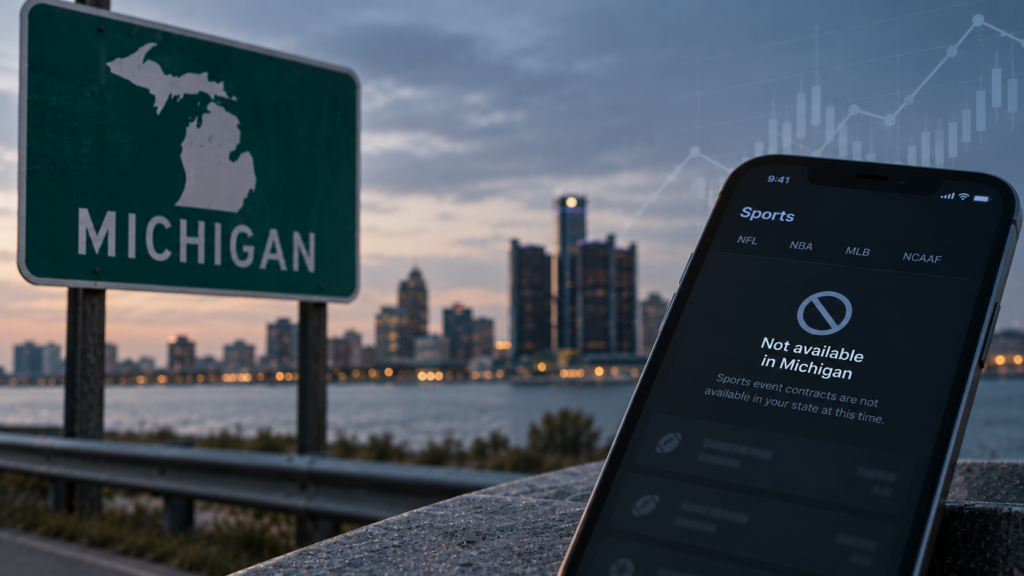
Prediction market availability is increasingly determined not only by demand, but also by state-level legal restrictions. Robinhood just agreed to halt new sports-related event contracts for Michigan customers as state regulators continue their fight over whether those products are federally regulated derivatives or unlicensed sports wagers.
Adding OG.com does not solve that underlying legal problem. It gives Robinhood another regulated infrastructure partner, and potentially another source of contract liquidity and product variety, as the company navigates it.
An investment, not just a partnership
Robinhood will hold initial minority stakes in both Crypto.com and OG.com, priced in line with the companies’ recent combined $20 billion valuation. Citadel Securities reportedly took stakes in Crypto.com and OG earlier this year at valuations of about $15 billion and $5 billion, respectively. Robinhood’s investment terms were not disclosed.
That structure makes the transaction more meaningful than a standard distribution agreement.
Robinhood benefits if OG’s exchange business grows. Crypto.com benefits from access to Robinhood’s enormous U.S. retail audience. And OG gets a major customer-acquisition channel at a time when the prediction market industry is racing to build liquidity, brand recognition, and regulatory credibility.
The companies are effectively aligning three incentives at once: more contracts on Robinhood, more volume for OG, and a shared financial interest in the growth of the underlying exchange.
Prediction markets become core brokerage product
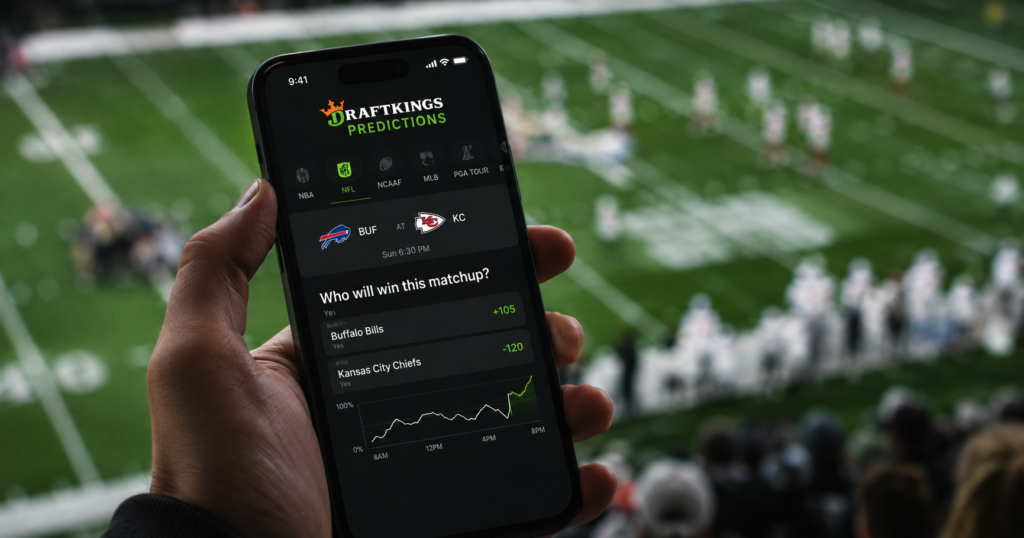
Robinhood has moved unusually quickly to make prediction markets a mainstream retail trading product. Its app has helped take contracts that once mostly lived on specialist platforms and put them next to equities, options and crypto for millions of everyday investors.
That matters for the industry because retail distribution may be more valuable than the exchange itself. An exchange needs liquidity; liquidity needs traders; and traders are expensive to acquire. Robinhood already has the distribution machine.
Its deal with OG.com gives it another route into the market at a time when consumer platforms are becoming the key battleground. The winners may not simply be the companies that list contracts, but the apps that own the customer relationship and can make event trading feel as familiar as buying a stock.
The regulatory shadow remains
The announcement also lands as the legal status of sports prediction markets becomes more contested.
Michigan has forced Kalshi to geofence sports contracts through a state-court injunction, and Robinhood separately agreed to stop opening new Michigan sports event positions by Wednesday. At the same time, the Sixth Circuit considers the federal-preemption dispute. Other states are pursuing similar challenges. Meanwhile, the Third and Ninth circuits reached opposite conclusions on whether sports-event contracts are federally protected swaps or state-regulated gambling.
Still, Robinhood’s decision clearly signals that it sees prediction markets as worth building through the uncertainty. The company is adding infrastructure, bringing in new contracts and taking ownership stakes in the business behind the trades.
For the prediction market industry, that is another step away from a niche exchange product and toward something larger.