CFTC, DOJ Intervene in Kalshi Lawsuit Against Rhode Island Prior to Motion for Injunctive Relief
Litigation in Rhode Island district court following established pattern for states with Democratic attorney generals who take action against prediction markets.
The United States Commodity Futures Trading Commission (CFTC) and the Department of Justice (DOJ) have asked the US District Court for the District of Rhode Island to let them intervene in Kalshi v. Furcolo, et al. That action preceded Kalshi making its anticipated request for the court to enjoin the defendants, including Rhode Island Attorney General Peter Noronha, from enforcing state gaming laws against Kalshi.
The intervention of CFTC and DOJ follows a trend of lawsuits against state attorneys general who are affiliated with the Democratic Party. The most significant threat to the operations of prediction market exchanges could come from Republican attorneys general, which is ironic.
Kalshi v. Furcolo sees two significant updates in consecutive days
On Thursday, Rhode Island effectively became the seventh US state that the CFTC and DOJ have sued over the regulation of prediction markets. The CFTC and DOJ argued in their May 28 motion to intervene that Kalshi’s “lawsuit is about whether Rhode Island state officials can usurp the CFTC’s jurisdiction and enforce state gaming laws against federally regulated exchanges in connection with the listing of federally regulated event contracts.”
Kalshi initiated the action just before Neronha sued it and Polymarket in state court. Neronha alleges that the platforms’ event contracts connected to sports are subject to Rhode Island laws governing sports wagering.
Kalshi has responded by stating that the CFTC has exclusive regulatory rights under federal law, as it has done in many other US states. On Friday, Kalshi moved forward with its complaint at the federal district court with a motion for a preliminary injunction to block the defendants from taking any action against its operations in Rhode Island.
Should the district court grant the CFTC and DOJ’s request to intervene, the litigation would shift to primarily being a dispute between the federal government and Rhode Island. Kalshi’s motion for injunctive relief would still need attention from the court, though.
These efforts by the CFTC and DOJ share a common element in addition to their focus on prediction market regulation. No state with a Republican attorney general has yet to face such litigation.
CFTC litigation has focused on states with Democratic administrations despite intervention of Republican officials
Neronha and Rhode Island are just the latest in a series of state attorneys general and states to become the target of federal lawsuits from the CFTC.
- Arizona
- Connecticut
- Illinois
- Minnesota
- New York
- Wisconsin
All seven of these states, including Rhode Island, have Democratic attorneys general and governors. The CFTC has sued some states with leadership of that nature that have taken action against prediction market exchanges.
The more significant point of differentiation for whether the CFTC and DOJ have gotten involved appears to be the involvement of federal appellate courts, rather than the partisan status of the state’s officials.
Appellate court intervention making the difference for CFTC lawsuits
Maryland, Massachusetts, Nevada, New Jersey, and Nevada stand out as exceptions. They have Democratic attorneys general, have taken action against prediction market platforms, and are not the targets of CFTC or DOJ lawsuits so far.
However, the US Ninth Circuit Court of Appeals’ jurisdiction includes Nevada and Washington, and that court had already made some rulings favorable to Nevada against the interests of Kalshi prior to the CFTC initiating its series of lawsuits against state governments.
New Jersey lies within the jurisdiction of the US Third Circuit Court of Appeals. The Third Circuit has also intervened in a lawsuit between Kalshi and New Jersey officials but has done so favorably for Kalshi. The Fourth Circuit is also already involved in the cases between Maryland and Massachusetts and Kalshi.
Nevada is one of two states that have had the most success in terms of securing court decisions favorable to their goals. The Ninth Circuit has refused to grant Kalshi the requested injunctive relief and as a result, Kalshi faces a state court order to disable trading in Nevada.
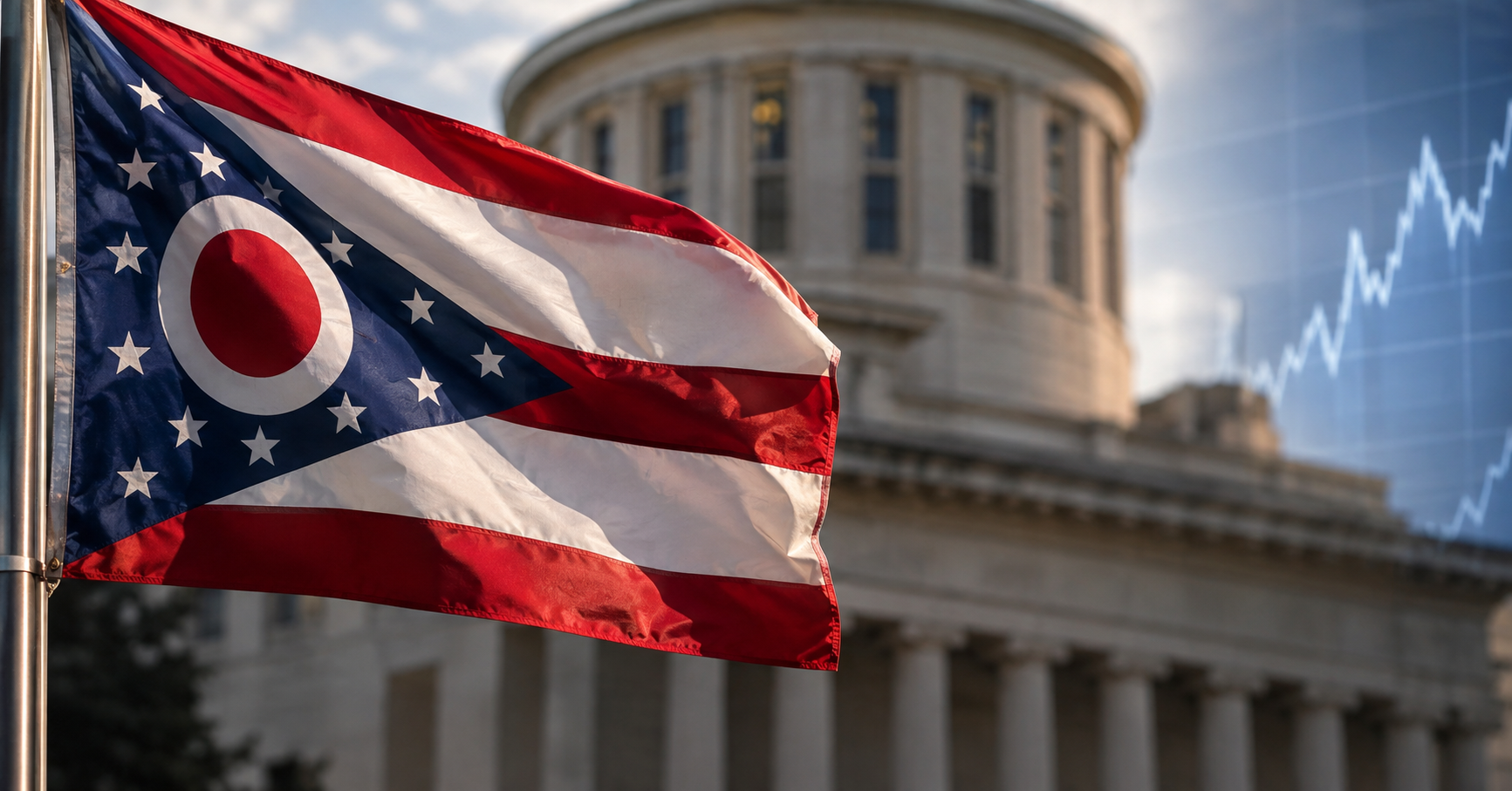
Ohio is the other state that has had success in litigation against prediction markets. The US Sixth Circuit Court of Appeals also refused Kalshi injunctive relief. Ohio gaming regulators have recommended fines but interim attorney general Andy Wilson has not yet taken any action toward that end.
Wilson is a Republican, as is the person whose term he is finishing, former Ohio Attorney General David Yost. Yost had directed Ohio’s pursuit of enforcement actions against prediction market exchanges and was outspoken on social media against the platforms.
The situation in Ohio is similar to that in Nevada and Washington, with favorable rulings from a federal appellate court. The same could be said of Tennessee’s dispute with Kalshi, as Tennessee is also within the Sixth Circuit’s jurisdiction. Tennessee Attorney General Jonathan Skrmetti, a Republican, has taken an active stance against prediction markets offering trading of contracts related to sporting events as well. While these actions play out, the CFTC and DOJ have taken an active role. Rhode Island is the newest state in which that is the case.
 Kalshi Asks Full Sixth Circuit to Review Panel Decision Favoring Ohio and Tennessee Officials
 Ramaswamy Gets a Polling Boost, but Ohio Traders Still Back Acton
 Kalshi Promo Code RATE: Get a $25 Bonus for Esports Trading This Week
 Democrats Put $5M Into Kansas Senate Race as Traders Still Favor Marshall