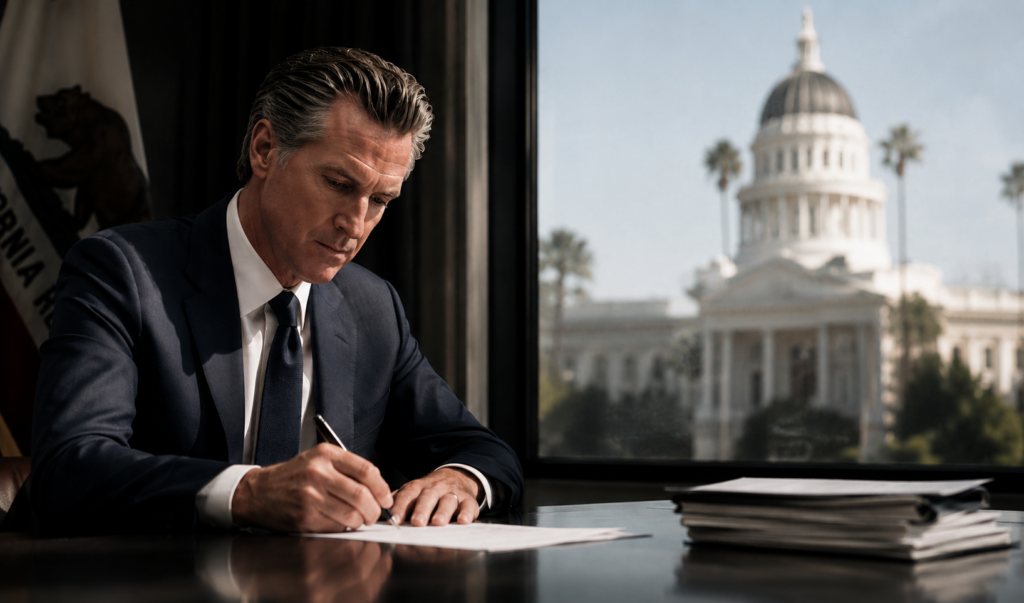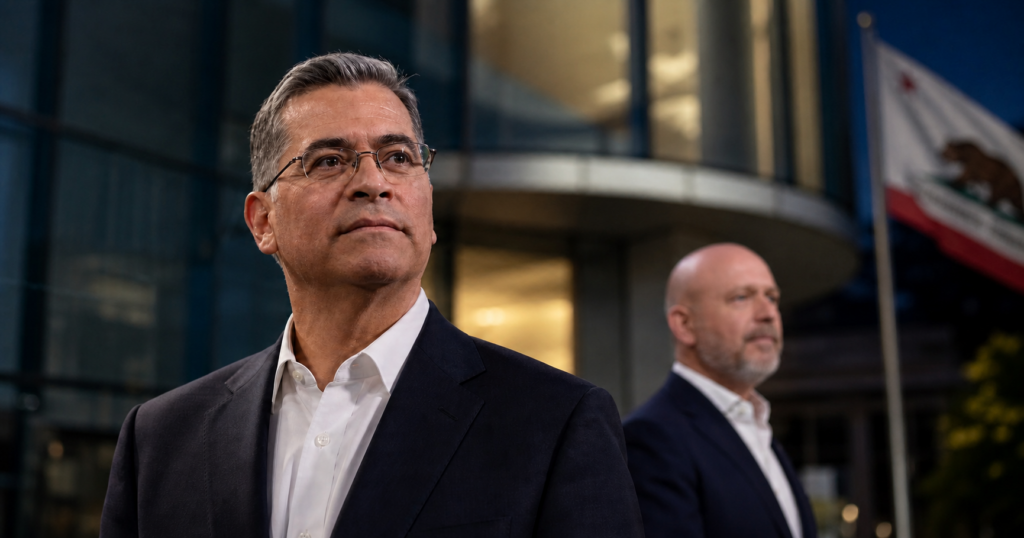



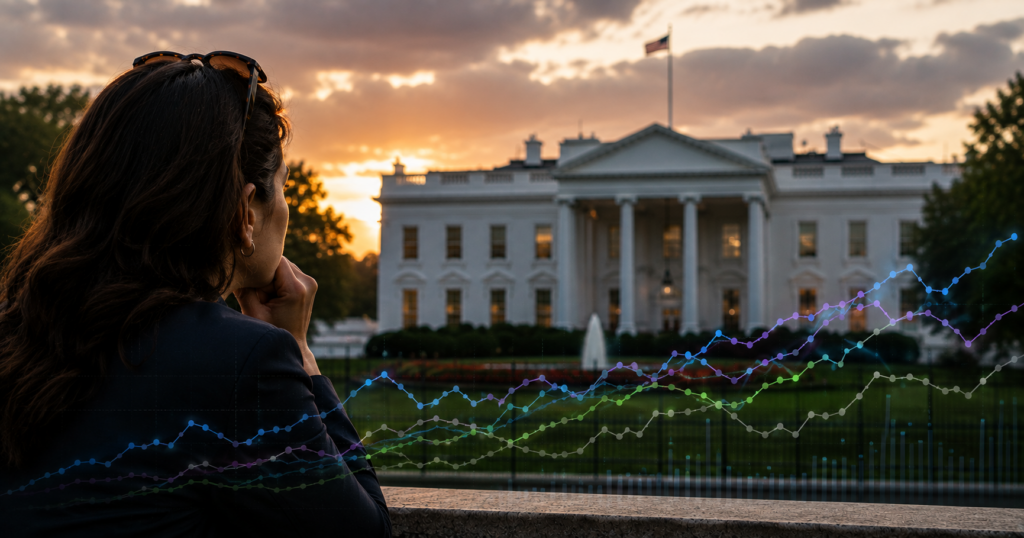



Los Angeles Mayor Karen Bass is still the favorite to win the election, but there is plenty of action in the race.
Prediction markets have her at roughly 65% to win, with more than $93 million traded on Kalshi’s mayoral market and another $13.5 million on Polymarket, showing a similarly closely contested race.
But the market is moving in a direction that should make the incumbent pay attention.
Nithya Raman, the Los Angeles City Council member challenging Bass in November’s nonpartisan general election, has picked up the endorsement of the Los Angeles chapter of the Democratic Socialists of America. The backing does not instantly turn the race upside down as Bass still has the stronger position in the market, more institutional support and the advantages that come with incumbency.
It does, however, give Raman something valuable. It’s an energized organizing base at precisely the moment when progressive candidates have shown they can overperform conventional expectations in Democratic primaries, especially in deep-blue jurisdictions.

A narrowing market, still favoring Bass
Traders continue to see Bass as the likely winner, but point to the same basic conclusion on both major platforms that she is ahead, not untouchable.
A market at 65% is not calling an election over. It is saying Bass has strong odds to win, but there is still substantial room for a challenger to win if the race continues to tighten, turnout shifts or Raman converts progressive enthusiasm into a citywide coalition.
The next two months will likely test how much information the markets are actually pricing.
These contracts can respond quickly to polling, endorsements, media narratives and campaign news. They can also exaggerate the significance of thin or questionable inputs. Los Angeles learned that lesson during the primary cycle when a poll showed Bass with an 11-point lead. That poll was later exposed as fake.
The episode served as a warning about how dubious polling can shape campaign coverage and influence prediction-market sentiment.
Raman’s endorsement matters
The Los Angeles DSA’s endorsement of Raman is important less because it changes the ballot than because it adds people.
More than 60% of participating DSA-LA members voted to endorse Raman, with the final tally reported as 937 in favor, 484 against and 52 abstentions. The chapter has more than 6,000 members across the region, although roughly 1,500 participated in the endorsement vote.
That is not a ceremonial endorsement from a peripheral group. DSA-LA brings volunteers, canvassing capacity, neighborhood networks and the kind of ideological clarity that can be especially useful in a low-turnout municipal race. The New York Times reported that the group sees thousands of members ready to canvass and organize behind the campaign.
The endorsement was not automatic. Raman is herself associated with the organization and became the first DSA member elected to the Los Angeles City Council in 2020 after defeating an incumbent. But the local chapter debated whether her campaign had strayed too far from its principles and ultimately did not endorse her during the primary. The eventual support therefore reads as a meaningful decision to invest in her candidacy, not merely a hometown nod.
A Democrat-versus-Democrat test
This is an all-Democrat contest in one of the bluest major cities in the country. Neither Bass nor Raman cleared 50% in the June primary, sending the two to the November 3 general election.
That means the race will not turn on the ordinary partisan cues of a Democratic-versus-Republican election. It is a contest between a well-known incumbent aligned with the city’s traditional governing and labor coalition, and a challenger seeking to channel frustration over housing, homelessness, affordability, climate policy and the direction of the city.
Most major local unions are with Bass. But Raman has already secured a significant labor break: Unite Here Local 11, which represents hotel workers, has endorsed her, while the carpenters are expected to contribute $3 million to an independent expenditure group supporting her.
Raman also benefits from a political environment in which progressives have been more competitive than many Democratic institutions expected. New York Mayor Zohran Mamdani became the clearest recent example of that dynamic, showing that a campaign built around affordability, field organizing and a more explicitly left-wing message can beat a better-known establishment opponent in a crowded Democratic contest.
Los Angeles is not New York, and the analogy has real limits. Bass is an incumbent mayor; Raman is running across a sprawling, diverse city with powerful homeowner, labor and moderate Democratic constituencies.
Still, the political question is familiar. Can Raman turn a highly engaged progressive base into a broader coalition before Bass uses her incumbency and traditional Democratic support to lock down the center?
The Spencer Pratt primary aftermath
The race has already had a distinctly Los Angeles primary season, including the Spencer Pratt circus.
Pratt’s presence added celebrity-grade noise to an election that is now settling into something more consequential: a direct runoff between Bass and Raman over the future of Democratic politics in the city. The spectacle may be gone from the ballot, but it helped ensure that the race started with a degree of cultural attention most municipal elections do not receive.
What comes next will be less about celebrity and more about execution. Bass must convince voters that continuity is the safer answer for a city still wrestling with high housing costs, homelessness and public confidence. Raman needs to turn an insurgent progressive campaign into a credible governing alternative.
For now, prediction markets still put Bass in front. But with Raman gaining organized support and progressive candidates continuing to show unexpected strength in Democratic contests, a 65% favorite on prediction markets is not a finished race.