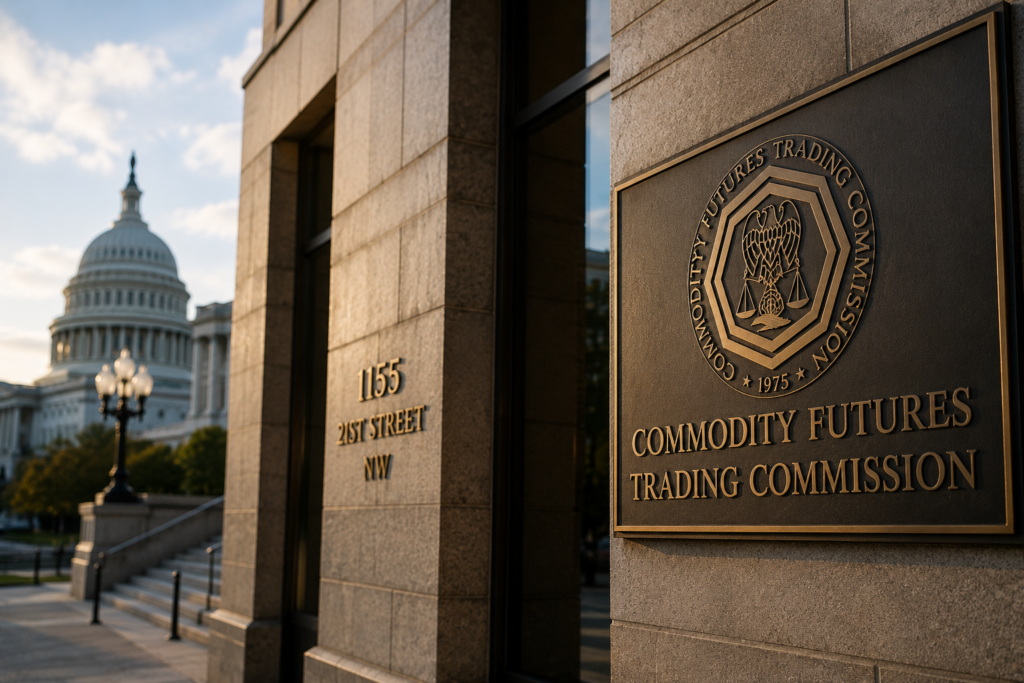




The Commodity Futures Trading Commission’s ongoing lawsuit against officials in Connecticut hasn’t deterred the state’s attorney general, William Tong, from escalating enforcement actions against Kalshi.
Tong’s office announced a new lawsuit filed in a state court against Kalshi on Wednesday.
The lawsuit asks the court to enjoin Kalshi from offering sports event contracts to people in Connecticut, a restriction that Kalshi has already implemented in Washington to comply with a state court order there. The result could be new filings in federal court and a judiciary that grows more unfavorable for trading sports event contracts on prediction markets exchanges across the United States.
Tong announces new lawsuit against Kalshi
According to the announcement, Tong’s efforts are in collaboration with the Connecticut Department of Consumer Protection (CDCP) and Gov. Ned Lamont. The complaint petitions the court for an “injunction to block the online betting site from offering unlicensed sports wagers in Connecticut.”
This is an escalation of efforts that began in December 2025 when the CDCP sent a cease-and-desist letter to Kalshi, ordering the company to stop providing sports event contracts to Connecticuters. The regulators stated that Kalshi doing so violates the state’s gambling laws.
Kalshi sued the CDCP that same month, and the CFTC brought its own case against Lamont and Tong in April 2026. While the US District Court for the District of Connecticut has yet to issue a substantial decision in the CFTC case, the same court denied Kalshi’s motion for an injunction against enforcement actions in early August 2026.
Kalshi has appealed that ruling to the US Second Circuit Court of Appeals, but in the meantime, the win seems to have emboldened Tong. Developments in Washington may have contributed as well.
Tong could be trying to replicate Brown’s success
On August 13, a state judge in Washington ordered Kalshi to block access for people in the state to most of its event contract categories. Kalshi has since complied with that order, although it has the option to appeal in the Washington court system.
While Tong might be trying to achieve the same success as Washington Attorney General Nick Brown, Connecticut presents different circumstances. Most forms of online gambling, including sports wagering, remain illegal in Washington.
Meanwhile, Connecticut permits online sports betting through its state lottery and via compacts with the two tribal gaming authorities within the state’s borders. The compacts and state law limit legal sports wagering to those channels, though.
Tong’s ask of the court is narrower than Brown’s as well, focusing only on sports event contracts. That may make the path to an injunction clearer, but it may not be all that it accomplishes.
Possible responses from the CFTC, Kalshi
Tong’s lawsuit might prompt additional filings with the US District Court in Connecticut and the Second Circuit, seeking emergency stays of the litigation while the cases that preceded this new filing play out. The CFTC made a similar failed bid in a US district court in neighboring New York in early August.
Should the CFTC or Kalshi forgo those emergency petitions, or if those efforts fail, it could clear the way for Kalshi to apply its geofencing limits to Connecticut. That event would tip the balance even further away from a secure future for sports event contracts on the platform.
Unfavorable results for sports event contract trading adding up
If Kalshi faces restrictions in Connecticut, it would be another in a series of court defeats for the CFTC and itself. The aforementioned results in New York and Washington were preceded by a disfavorable summary judgment from a federal judge in Utah and a denial of the CFTC’s injunction request in Wisconsin.
Each unfavorable ruling against prediction market exchanges has a synergistic effect at the federal level, with judges citing previous cases as rationale for their decisions. While that isn’t as much of a concern in state-court cases across states, Tong’s move signals confidence that the court will grant him the injunction he seeks.