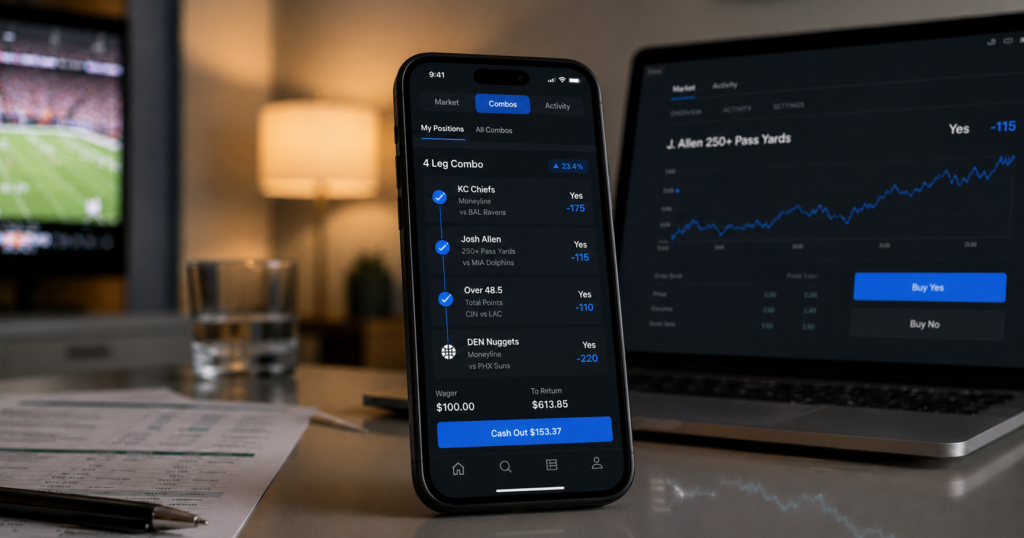
Netflix today announced Instadocs: The Prediction Games, a documentary examining the rapid rise and risks of prediction markets that will premiere Sunday, July 26, as part of the streaming giant’s new fast-turnaround documentary series.
The documentary features interviews with Kalshi CEO Tarek Mansour, Polymarket CEO Shayne Coplan and Commodity Futures Trading Commission Chairman Michael Selig. Netflix said it examines a phenomenon drawing tens of millions of participants into markets covering sports, elections, weather, celebrity events and armed conflict.
One detail from the trailer illustrates just how quickly the documentary came together. It opens with a title card reading “July 19, 2026,” the day of the FIFA World Cup final, before cutting to a luxury home in Las Vegas where a group of traders gather to watch Argentina face Spain. The participants discuss the millions of dollars they say they made trading World Cup prediction markets.
The sequence suggests Netflix was still incorporating footage from the tournament’s final day only one week before the documentary’s scheduled release.
The film is the second installment in Netflix’s Instadocs series, a format designed to bring documentaries to viewers while major stories are still unfolding rather than months or years later. The first installment, Instadocs: Alex Murdaugh, Unconvicted, premiered just 17 days after the South Carolina Supreme Court overturned Murdaugh’s murder convictions.

When prediction becomes manipulation
The Prediction Games examines both the appeal of trying to profit by forecasting the future and the potential consequences when traders may be able to affect the events underlying their positions.
Netflix points to bettors allegedly harassing war reporters to publish false information and hackers manufacturing Spotify streams to win millions. The documentary asks whether “reality itself” has become a target for manipulation and whether the wisdom of crowds can turn into “mob rule.”
Those examples move the documentary beyond familiar sports and election contracts and into the ethical and legal questions surrounding markets where participants may have both the incentive and the ability to influence an outcome.
World Cup provides ideal backdrop
The FIFA World Cup offered Netflix a timely illustration of prediction markets’ growing scale. More than $5.6 billion was traded on the final through Kalshi and Polymarket, according to Netflix, while the tournament became the largest sports trading event yet for the industry.
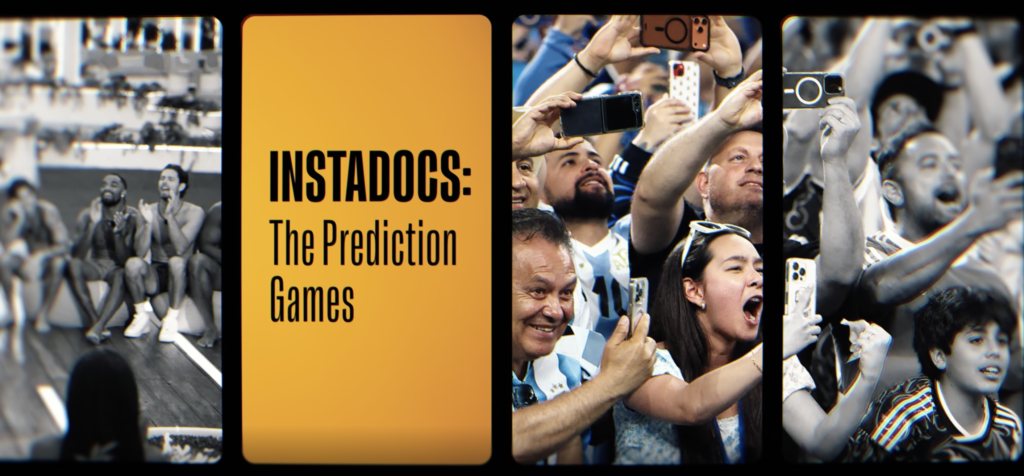
The trailer follows traders during the tournament’s final day as they discuss their positions, celebrate profits and watch Argentina face Spain. By centering the documentary’s opening on the World Cup, Netflix captures the industry during one of its biggest moments while also showing the mixture of money, competition and risk at the center of the film.
Hollywood takes notice of prediction markets’ rapid rise
Netflix’s documentary isn’t the only major entertainment project to focus on prediction markets.
Earlier this month, Amazon MGM Studios’ United Artists acquired the rights to journalist Zoë Bernard’s forthcoming book, The Gamble: Inside the Race to Dominate Prediction Markets — and Own the Future, according to an exclusive report by Page Six. The project is being adapted by writer Tze Chun, whose credits include Gotham, I’m a Virgo and Gremlins: Secrets of the Mogwai, and is set to explore the rivalry between Kalshi and Polymarket.
Page Six reported that Bernard’s book proposal pitches the story as “The Social Network meets The Big Short,” describing a race among the young founders of Kalshi and Polymarket to shape the future of prediction markets.
The Netflix documentary and the reported Amazon MGM adaptation are the latest signs that prediction markets have become part of the broader pop culture zeitgeist. Over the past year, Kalshi, Polymarket and the industry have increasingly been referenced in late-night television, comedy sketches, internet memes and other mainstream entertainment, reflecting the growing visibility of prediction markets.
Update: CNN reporter Marshall Cohen reported Thursday afternoon that Kalshi wants Netflix to remove the trailer because it is “misleading.” According to Cohen, Kalshi said one of the featured trades shown at the 0:29 mark was placed in 2025, before a Nevada court order barred the exchange from operating in the state.